AI in Digital Marketing | Beginners Guide
Curious about how AI in digital marketing can transform your campaigns? This beginner’s guide breaks down exactly what artificial intelligence means for marketers, from content creation and SEO to customer segmentation and data analytics.
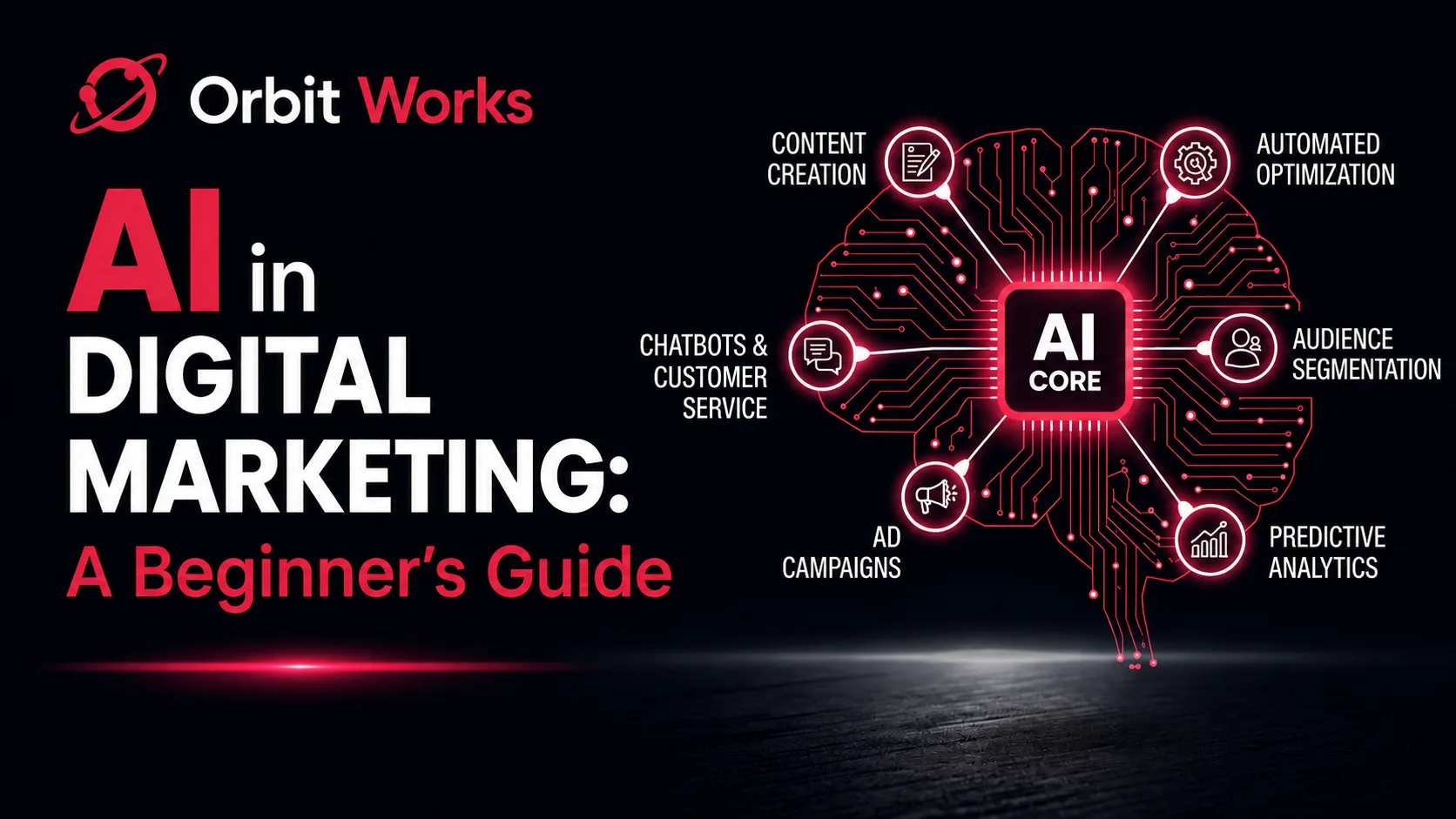
AI in digital marketing has evolved from a futuristic concept into an essential tool that's reshaping how brands connect with their audiences. If you're just starting your journey with artificial intelligence in marketing, you're in the right place.
The truth is, AI in digital marketing isn't just about automation, it's about creating meaningful, personalized experiences that customers actually want. It predicts behavior, optimizes campaigns, and helps businesses build stronger relationships with their audience.
That's why forward-thinking marketing leaders are increasingly adopting AI-driven strategies. According to our '2024 Global Digital Skills & Training Report: Insights from Corporate Leaders,' these professionals believe AI will boost productivity by an impressive 50%, make marketing more efficient by 45%, and spark greater innovation by 38%.
In this guide, we'll break down what AI in digital marketing really means, explore practical examples, and discuss the skills you need to leverage this technology effectively. No jargon, no fluff, just actionable insights to help you get started.
What Is AI in Digital Marketing?
At its core, AI in digital marketing uses smart technologies, including data collection, natural language processing, machine learning, and advanced analytics, to deliver better business insights and automate marketing tasks and decisions.
The most powerful benefit? AI can rapidly analyze massive amounts of customer data, helping you understand behaviors and preferences in ways that would take humans weeks or months to uncover.
With AI, you can respond instantly to customer actions and customize offers based on individual preferences. What's more, AI gets smarter over time, continuously learning from feedback and new data to improve its recommendations.
AI in digital marketing opens incredible opportunities to make marketing more effective and personal. Customers see relevant content that matches their actions, whether they're browsing a website, viewing an ad, or reading a message.
However, it's crucial to remember that AI doesn't replace humans. It's a powerful tool that supports and enhances human efforts. To use AI in digital marketing successfully, you still need creativity, judgment, and strategic thinking.
What is Digital Marketing vs. AI in Digital Marketing?
Before diving deeper, let’s set the stage: digital marketing is the broad practice of promoting products or services using electronic devices and the internet, covering everything from social media and search engines to email and websites to connect with potential customers. The primary difference between standard digital marketing and AI in digital marketing lies in execution and intelligence. Traditional digital marketing relies heavily on manual effort, historical spreadsheets, and human intuition to create content, place bids, and segment audiences; it is largely reactive, helping you analyze what already happened.
On the other hand, AI in digital marketing supercharges these activities by injecting machine learning, natural language processing, and real-time predictive analytics into the mix. Instead of waiting for a campaign to end to review performance, AI proactively anticipates customer needs, adjusts budgets automatically, and personalizes individual messages at scale in the blink of an eye.
Ultimately, AI in digital marketing doesn't replace traditional digital marketing; it transforms it from a slow, manual chore into an agile, self-optimizing system that delivers sharper insights and hyper-relevant customer experiences without requiring you to constantly crunch numbers by hand.
How to Use AI in Digital Marketing
AI in digital marketing is becoming more accessible and user-friendly every day. Many companies now incorporate AI into their daily operations, from creating content for pay-per-click (PPC) ads to setting up automated email workflows triggered by customer actions.
At the Digital Marketing Institute, we surveyed our members about their experience with AI. About 60% said they're familiar with AI and understand its marketing applications. However, 37% admitted they don't yet have a clear AI strategy in place.
So, what does AI in digital marketing actually do for marketers? Let's explore the main areas where AI is making a real difference.
1. Content and Image Creation
One of the biggest challenges marketing teams face is producing quality content consistently and quickly. From emails and social media posts to blogs, ads, and landing pages—the demand for fresh content is endless.
This is where generative AI tools like ChatGPT and Claude come into play. These powerful tools can automatically generate text and images, helping you create:
- Email subject lines that grab attention
- Ad copy that converts
- Detailed blog posts in minutes
- Visual content for campaigns
AI writing prompts can also help craft catchy headlines and tailor messages for specific audiences. This level of personalization boosts engagement and makes campaigns more effective. Plus, AI can assist with influencer marketing by identifying relevant influencers and tracking campaign performance.
Using these tools saves both time and money. However, remember to review and edit AI-generated content. Always ensure it matches your brand voice and has enough personality before hitting publish.
2. Customer Service and Support
AI-driven chatbots have become commonplace, providing instant answers to simple questions and guiding customers through various processes. When customers need quick support or information, they often turn to chatbots first.
But AI in digital marketing extends beyond basic responses. AI can:
- Personalize interactions by analyzing customer data
- Tailor messages based on individual preferences
- Predict what customers might need next
- Route complex queries to the right human agents or departments
This streamlines support, reduces wait times, and improves overall customer experience. As a result, AI helps create a more engaging and efficient customer journey.
3. Customer Segmentation
Understanding your customers is fundamental to effective marketing. Customer segmentation groups prospects and clients based on shared interests, behaviors, or needs. Doing this manually is time-consuming and expensive.
AI in digital marketing simplifies this process using advanced algorithms that automatically analyze data and segment your audience. For instance, AI might identify:
- Loyal customers who frequently purchase high-value items
- New prospects showing interest in specific products
- Price-sensitive shoppers who respond to discounts
- Customers at risk of churning
Once segmented, you can target each group with personalized messages, offers, and content. AI allows you to adjust these messages in real-time based on how customers respond.
Additionally, AI recommendation systems can suggest products or services that match customer preferences. Natural Language Processing (NLP) helps analyze reviews and feedback, providing valuable insights to improve products and services.
4. SEO (Search Engine Optimization)
AI is transforming SEO in numerous ways. Search engines like Google use complex algorithms to rank pages, and AI enhances this process significantly.
One key development is AI Overviews (formerly called Search Generative Experience). This allows AI to generate quick summaries and insights directly in search results, changing how users find information.
AI in digital marketing can automate keyword research by analyzing what users are searching for and what competitors rank for. It can also optimize website content by suggesting relevant keywords, meta descriptions, headings, and tags.
Furthermore, AI predicts future SEO trends by analyzing user behavior and search patterns, helping you stay ahead of the competition.
Voice and visual search are also growing rapidly. AI can help optimize your content for these formats by focusing on natural language keywords and adding metadata to images and videos.
5. Pay-Per-Click Marketing
Pay-per-click (PPC) marketing means you only pay when someone clicks on your ad, making it a cost-effective way to reach potential customers. PPC campaigns can be highly targeted, allowing you to focus on specific demographics, interests, or behaviors.
AI in digital marketing significantly boosts PPC efforts by automating and optimizing key areas:
- Keyword research: AI tools analyze vast amounts of data to find the most effective keywords for your ads
- Bidding and targeting: AI automatically sets bids and targets audiences based on real-time data
- Ad creation: AI helps generate compelling ad copy and visuals
- Ad scheduling and placement: AI determines the best times and platforms for maximum impact
- Predictive analysis: AI models forecast future trends and customer behaviors
- Fraud detection: AI systems spot invalid clicks or fraudulent activity, saving your budget
As AI technology evolves, we can expect new ad formats, more precise targeting options, and better measurement tools. Staying updated on these advancements is crucial for marketers who want to stay competitive.
6. Data Analytics
Modern marketing generates enormous amounts of data from multiple channels, social media, websites, email, and more. This data holds valuable insights but can be overwhelming to analyze manually.
This is where AI in digital marketing truly shines. AI can process huge volumes of data at lightning speed, helping marketers:
- Uncover patterns and identify trends
- Detect anomalies or unexpected changes in data
- Identify hidden patterns that might go unnoticed
- Enable hyperpersonalization of marketing messages
Understanding your customers better allows you to craft more targeted messages, improve product recommendations, and enhance overall customer experience. In retail, AI can optimize inventory levels by predicting demand, ensuring you have the right stock at the right time.
A powerful tool in this space is ChatGPT with its Advanced Data Analysis plugin. You can upload spreadsheets or datasets, and ChatGPT helps you find meaningful insights, trends, and correlations, saving time and boosting decision-making.
Ultimately, integrating AI in digital marketing with data analysis helps you gain smarter insights and make better business decisions aligned with your goals.
7. Email Marketing
Email marketing remains one of the most effective ways to connect with prospects and keep existing customers engaged. It's personal, direct, and scalable. However, creating compelling email campaigns can be time-consuming.
AI in digital marketing can transform your email strategy by making it smarter and more efficient:
- Performance analysis: AI analyzes past campaigns to identify what works best, suggesting high-performing subject lines or optimal send times
- Triggered workflows: AI sets up automated email sequences based on user actions like sending a reminder or special offer when a customer abandons their cart
- Campaign analysis: AI helps track open rates, click-throughs, and conversions to improve future campaigns
- Personalized content: AI crafts tailored messages based on customer data, recommending products or customizing email copy for different segments
- Dynamic content: AI allows emails to change content dynamically, displaying different images or offers depending on recipient preferences
- A/B testing: AI automates testing different versions of emails, helping you discover the most effective ones quickly
Additionally, AI can help clean email lists by identifying inactive or invalid addresses and suggest optimal send times for maximum engagement.
Essential Skills for AI in Digital Marketing
Using AI in digital marketing offers tremendous opportunities. The secret to success is making AI work harmoniously with your specific role. It's not enough to just know how to operate AI tools, you also need to understand why you're using them.
First, ask yourself if AI aligns with your business and career goals. Will it help you reach your targets more quickly? Is it saving you time, or just adding more work? These questions help you use AI wisely and effectively.
Start by learning the basics of AI in digital marketing. Understand how it works and what it can do. Then, go deeper into specific skills. Use AI to generate and nurture leads, improve customer service, and make your marketing efforts more efficient.
According to an article by The Economist and Think with Google, "marketers must embed AI expertise within their ranks." They emphasize mastering the art of choosing the right tools and integrating them smoothly. It's important that automation enhances human judgment, not replaces it. Top performers will use AI as a disciplined, strategic tool woven into their overall marketing plans, operations, and decision-making processes.
Technical Skills to Focus On
Here are the most important technical skills for AI in digital marketing:
Data Management: Knowing how to organize and handle large amounts of data efficiently is essential for any AI-driven marketing strategy.
Data Analysis: Learning how to interpret data to find valuable insights helps you make informed decisions and optimize campaigns.
Testing: Running experiments to see what works best and refining strategies accordingly is crucial for continuous improvement.
Content Personalization: Using AI to tailor content specifically for individual users creates more engaging and effective customer experiences.
Marketing Automation: Automating repetitive tasks like email campaigns and social media posts frees up time for strategic work.
Process Analysis and Improvement: Continuously examining marketing processes and finding ways to make them better with AI ensures ongoing optimization.
Building these skills can help you feel more comfortable with AI technology. The more familiar you become, the less intimidating it will seem. This confidence allows you to leverage AI in digital marketing more effectively for your goals.
Soft Skills That Complement AI
Technical skills are just one part of the picture. Companies also want marketers with creative and problem-solving abilities. They look for people who can think outside the box and adapt quickly.
Four key soft skills are crucial in the AI in digital marketing landscape:
Strategic Thinking: Planning how to use AI to achieve long-term goals and integrate it into your overall marketing strategy.
Innovation: Coming up with new ideas and approaches using AI tools to stay ahead of the competition.
Creativity: Designing engaging campaigns and content that stand out in a crowded digital landscape.
Agile Thinking: Being flexible and quick to adapt in a fast-changing environment.
These soft skills complement your technical knowledge and help you become a more well-rounded marketer, ready for the future of AI-driven digital marketing. By developing both sets of skills, you can stay ahead in this evolving field and make the most of what AI has to offer.
Conclusion
AI in digital marketing can seem overwhelming at first. It's normal to wonder how it fits into your role or if it might replace your job. But it shouldn't be seen as a threat. Instead, think of AI as a helpful partner that can support you in reaching your goals more easily.
AI tools are excellent for handling boring, repetitive, and time-consuming tasks. This gives you more time for creative and strategic work that truly makes a difference.
Learning and mastering AI in digital marketing will also boost your skills. You'll gain new experience in a fast-growing technology that's in high demand. Companies are actively looking for professionals who understand AI, making it a valuable skill for your career advancement.
Ready to Level Up Your Marketing with AI?
AI in digital marketing is a game-changer. It helps personalize, optimize, and automate marketing activities in ways that were impossible just a few years ago.
Our advanced AI services strategy is designed specifically for your business. It teaches practical ways to use AI for research, content creation, and digital channels. You'll see that developing a digital strategy can boost your business.
Grab digital marketing services today and start transforming your marketing with AI