Why App Development is Important for Business?
Why is mobile app development important for businesses? This guide covers customer engagement, revenue growth, brand visibility, and security. Discover how mobile applications transform business operations and drive digital transformation.
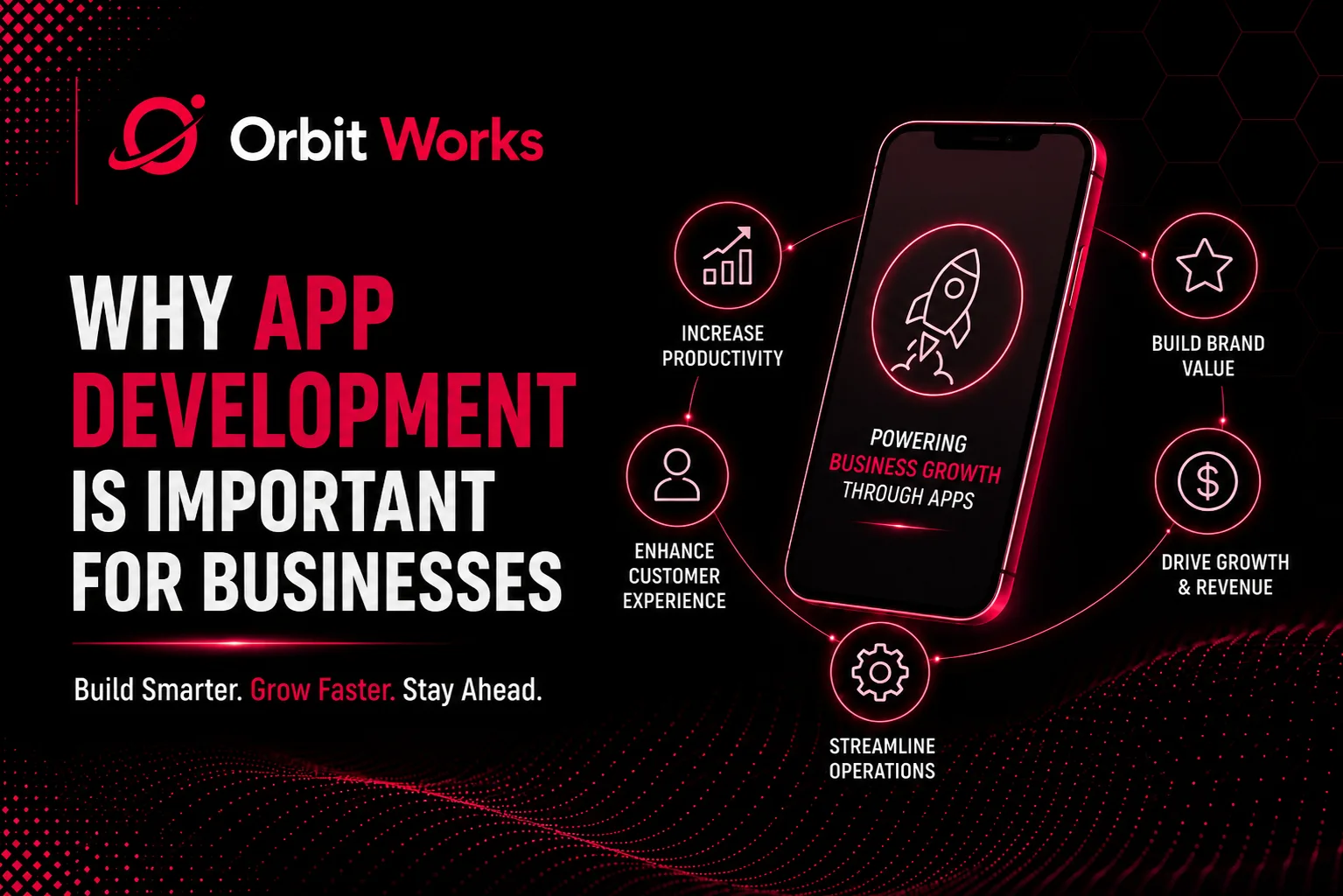
Let me ask you a simple question: when was the last time you went more than an hour without checking your phone? For most people, the answer is never. Smartphones have become an extension of who we are. We shop, bank, learn, socialize, and work through mobile applications. And here is the truth that many business owners ignore: if your business does not have a presence on your customers' home screens, you are invisible to them.
I have watched a local coffee shop double its daily orders simply by launching a loyalty app. I have seen a small accounting firm attract dozens of new clients through a tax calculator app. I have also watched established retailers lose market share because their competitors offered a smoother, faster mobile experience. The pattern is clear.
Mobile app development for businesses is no longer a nice-to-have. It is a must-have. This guide will explain exactly why, and give you a practical roadmap to get started.
What Is Mobile App Development for Businesses?
Before we go further, let me answer a foundational question. What is mobile app development for businesses? It is the process of creating software applications that run on smartphones and tablets, specifically designed to help companies achieve their goals. Those goals might include selling products, providing customer support, collecting data, building brand loyalty, or streamlining internal operations.
Unlike consumer apps that focus on entertainment or social networking, business mobile apps are built with commercial objectives in mind. They might include features like push notifications, in-app purchases, customer portals, analytics dashboards, and integration with existing business systems like CRMs or inventory databases.
If you are still wondering what mobile app development is in a broader sense, think of it as the bridge between your business and your customers' pockets. A well-designed mobile application puts your brand, your products, and your services just one tap away.
Why Businesses Need Mobile Apps in Today's Digital Economy
Let me share three reasons why mobile app development for businesses has become essential rather than optional.
Customer Behavior Has Shifted Permanently
More than half of all web traffic now comes from mobile devices. People check their phones over one hundred times per day. They expect to be able to interact with businesses instantly, from anywhere. A website is no longer enough. Your customers want the convenience, speed, and personalization that only a mobile application can provide.
Direct Communication Channel
Second, mobile apps give you a direct communication channel. Email open rates hover around twenty percent. Push notification open rates can exceed ninety percent. When a user installs your app, you have earned a place on their home screen. That is prime real estate. You can send them personalized offers, remind them about abandoned carts, or alert them to new products. No spam filters. No crowded inboxes.
Build Brand Loyalty
Third, apps build brand loyalty in ways that websites cannot. A mobile app loads instantly, remembers user preferences, and offers features like one-click checkout, location-based services, and offline access. Every time a customer uses your app, you reinforce your brand. Over time, that repetition builds trust and loyalty.
Key Benefits of Mobile App Development for Businesses
Let me walk you through the specific benefits of mobile app development for businesses. These are not theoretical. I have seen each of them play out in real companies.
Increased Customer Engagement
Mobile apps allow you to interact with customers at the moment that matters most. A push notification about a flash sale can drive immediate purchases. A loyalty program within your app encourages repeat visits. Personalized recommendations based on past behavior make customers feel understood.
Higher Sales and Revenue
Apps remove friction from the buying process. Customers can save payment information, breeze through checkout, and reorder with one tap. Many businesses report that app users spend two to three times more than website users.
Improved Customer Retention
It is far cheaper to keep an existing customer than to acquire a new one. Apps make retention easier through loyalty programs, personalized offers, and seamless support. When your app adds value every day, customers have no reason to leave.
Valuable Customer Data
Mobile apps provide rich analytics about how users behave. Which features do they use most? Where do they drop off? What products do they view? This data helps you make smarter product and marketing decisions.
Competitive Advantage
If your competitors have apps and you do not, you are at a serious disadvantage. Customers will choose the business that offers convenience and accessibility. Mobile app development for businesses levels the playing field.
Enhanced Brand Visibility
Your app icon sits on your customer's home screen. Every time they look at their phone, they see your brand. That constant reminder keeps you top of mind when they are ready to buy.
How Mobile Apps Improve Customer Engagement and Retention
Let me dive deeper into how mobile apps improve customer engagement because this is where many businesses see the biggest return.
Push Notifications Drive User Action
Push notifications are the secret weapon. Unlike emails that get buried or ignored, push notifications appear right on the lock screen. They are immediate and hard to miss. When used wisely, they drive action—a reminder about an abandoned cart, an alert that a wish list item is on sale, or a birthday discount code. Each notification is an opportunity to re-engage a user.
In-App Messaging Creates Personalized Experiences
In-app messaging takes engagement further. You can send personalized messages based on user behavior. If someone frequently buys running shoes, you can message them when new running gear arrives. If someone has not opened your app in two weeks, you can send a re-engagement offer.
Mobile App Personalization Increases Loyalty
Mobile app personalization is another powerful tool. Apps can remember user preferences, past purchases, and browsing history. They can surface relevant products, customize the home screen, and even adjust the user interface based on individual behavior. Personalization makes customers feel valued, which increases loyalty.
Gamification Encourages Repeat Engagement
Gamification also drives engagement. Points, badges, leaderboards, and challenges turn mundane activities into fun experiences. A coffee shop app that gives a free drink after ten purchases keeps customers coming back. A fitness app that awards badges for streaks motivates users to stay active.
Consistent Value Builds Long-Term Habits
Mobile app engagement is not just about flashy features. It is about consistently delivering value. When your app solves a problem, saves time, or saves money, customers will use it regularly. That regular use builds habits. And habits build businesses.
Mobile App Development Strategies for Business Growth
Building a successful mobile application does not happen by accident. You need a clear mobile app strategy. Let me share the components of a winning approach.
Start with a Clear Business Objective
What problem does your app solve? Who is the target user? How will you measure success? Do not build an app just because everyone else has one. Build an app because it serves a genuine need for your customers and your business.
Focus on Core Features First
Resist the temptation to add every feature you can imagine. Focus on the three to five features that deliver the most value. You can always add more later based on user feedback. This approach, often called building a minimum viable product, saves time and money.
Choose the Right Development Approach
You have three main options. Native app development builds separate apps for iOS and Android using platform-specific languages. Cross-platform app development uses a single codebase to target both platforms. Hybrid app development combines web technologies with native containers. Each has trade-offs in cost, performance, and time.
Plan for Ongoing App Maintenance
An app is never truly finished. You will need to fix bugs, update for new OS versions, add features, and monitor performance. Budget for maintenance as part of your overall mobile app development services investment.
Integrate Analytics from Day One
You cannot improve what you do not measure. Tools like Firebase Analytics or Mixpanel tell you how users behave, where they drop off, and which features they love. Use this data to guide your roadmap.
Mobile App Security and Compliance: What You Must Know
Mobile app security is not optional. It is a business imperative. Your users are trusting you with their personal information—names, emails, addresses, payment details, location history. If you betray that trust through negligence, you will lose customers and face legal consequences.
Secure Data Storage and Encryption
Start with secure data storage. Never store sensitive information like passwords or credit card numbers in plain text. Use encryption both at rest and in transit. Follow platform-specific security guidelines from Apple and Google.
Implement Strong User Authentication
Require complex passwords. Offer biometric authentication like fingerprint or face recognition. Use multi-factor authentication for sensitive actions like changing account details or making large purchases.
Protect Network Communications
Always use HTTPS. Implement certificate pinning to prevent man-in-the-middle attacks. Validate server certificates and reject invalid ones.
Meet Industry Compliance Requirements
If you handle payment information, you must comply with PCI DSS. If you handle health information in the US, HIPAA applies. If you have European users, GDPR applies. If you operate in California, CCPA applies. Consult with legal experts to understand your obligations.
Conduct Regular Security Testing
Conduct regular security testing. Automated tools can find common vulnerabilities. But you should also hire penetration testers to try to break your app. They will find issues that automated scans miss.
Why Security Must Be a Priority from Day One
Many businesses overlook security during mobile app development for businesses. Do not be one of them. Invest in security from day one. It is far cheaper than cleaning up a breach.
Native vs Hybrid vs Cross-Platform: Which One Is Right for You
One of the most common questions in mobile app development for businesses is which technology to choose. Let me break down your options.
Native App Development
Native app development means building separate apps for iOS using Swift and for Android using Kotlin. Native apps offer the best performance, the smoothest animations, and full access to device features. The trade-off is cost and time. You essentially build the same app twice.
Cross-Platform App Development
Cross-platform app development uses frameworks like Flutter or React Native to write one codebase that runs on both iOS and Android. This approach saves time and money. Performance is excellent for most business apps. Many companies choose cross-platform because it balances quality and efficiency.
Why Choose Flutter for App Development
If you are wondering why choose Flutter for app development, the answer is simple. Flutter offers native-like performance, a beautiful widget system, and hot reload that speeds up development. Major brands like Google Pay and Alibaba use Flutter in production.
Hybrid App Development
Hybrid app development uses web technologies like HTML, CSS, and JavaScript wrapped in a native container. Hybrid apps are cheap to build but can feel less polished. They are best for simple content apps, not complex interactive experiences.
Choosing the Best Development Approach
So which should you choose? For most business mobile apps that need to work well on both platforms, cross-platform with Flutter or React Native is the smart choice. You get speed, quality, and cost efficiency. Only choose native if you need cutting-edge graphics, complex animations, or deep hardware integration.
Understanding the Key Differences
Understanding what cross-platform app development is and what is the difference between native and hybrid apps will help you have better conversations with your development team.
Mobile App Development Best Practices for Success
Let me share mobile app development best practices that separate successful apps from failures.
Design for One-Handed Use
Design for the thumb. Most people use their phones with one hand. Put important actions within easy reach of the bottom half of the screen. Do not hide critical features behind complex gestures.
Optimize App Performance and Speed
Users expect your app to load in under two seconds. Every extra second increases abandonment. Compress images, cache data, and minimize network requests. Use lazy loading for content below the fold.
Test on Real Devices
Emulators are useful, but they cannot replicate real battery drain, network fluctuations, or screen visibility in sunlight. Buy or rent a range of physical devices. Test them regularly.
Build for Offline Accessibility
Your app should not break when the user enters a subway or an area with a poor signal. Cache essential data and gracefully handle network failures.
Keep the User Experience Simple
Do not overload users with features, choices, or notifications. Each screen should have one primary action. Each notification should offer clear value. Simplicity drives engagement.
Track User Behavior with Analytics
You cannot improve what you do not measure. Track screen views, button taps, session length, and drop-off points. Use this data to refine your app continuously.
Use Customer Feedback to Improve
App store reviews, support emails, and in-app surveys are gold mines of insight. When users tell you something is broken or confusing, fix it quickly. When they request a feature, consider adding it.
Prioritize Accessibility
Make your app usable by people with disabilities. Support screen readers, provide sufficient color contrast, and ensure touch targets are large enough. Accessibility is not just ethical—it expands your potential market.
How Mobile Apps Increase Sales and Revenue
Let me get specific about how mobile apps increase sales and revenue because this is what business owners care about most.
Reduce Friction in the Buying Process
Customers can save their payment information, shipping addresses, and preferences. Checkout takes seconds instead of minutes. One-click reordering turns repeat purchases into a habit. Every reduction in friction increases conversion rates.
Deliver Personalized Product Recommendations
Your app can remember what each customer has viewed, purchased, and abandoned. It can recommend products they are likely to buy. It can send personalized offers based on their behavior. Personalization can increase sales by ten to thirty percent.
Use Push Notifications to Drive Revenue
A well-timed notification about a flash sale, a restocked item, or a limited-time discount can generate revenue within minutes. Unlike email, push notifications are seen by nearly everyone who receives them.
Support Subscription-Based Revenue Models
Recurring revenue is the holy grail for many businesses. Apps make it easy to offer monthly or annual subscriptions, manage billing, and reduce churn. Subscription revenue is predictable and stable.
Generate Revenue Through In-App Purchases
Beyond the initial download, you can sell premium features, virtual goods, or content upgrades. Many apps generate more revenue from in-app purchases than from downloads or advertising.
Lower Customer Acquisition and Marketing Costs
When you have a direct channel to your customers, you spend less on paid ads. Push notifications and in-app messages are free. Email to app users is more effective than email to website visitors.
Mobile Apps as a Long-Term Business Investment
Mobile app development for businesses is not a cost. It is an investment that pays for itself through increased sales, higher customer lifetime value, and reduced marketing spend.
Mobile App Development for Small Businesses, Startups, and Enterprises
Mobile app development for small businesses looks different from that for large enterprises. Let me address each segment.
For Small Businesses and Startups
For small businesses and startups, the budget is often tight. You cannot afford a six-figure app project. But you also cannot afford to be invisible on mobile. The solution is to start small. Build a minimum viable app with the core features that deliver immediate value—a loyalty app for a coffee shop, a booking app for a salon, or a product catalog for a boutique. Launch quickly, learn from users, and iterate.
The benefits of hiring a mobile app development company for small businesses include access to experienced designers and developers without the overhead of a full-time team. Many agencies offer flexible payment plans or fixed-price projects for simple apps.
For Enterprises
Enterprise mobile app development involves a larger scale, more integrations, and stricter security requirements. Your app might need to connect to SAP, Salesforce, Oracle, or custom internal systems. It might need to support thousands of users across multiple countries. It might need to comply with industry regulations.
Enterprise apps also require ongoing mobile app maintenance. Security patches, OS updates, feature enhancements, and bug fixes. Budget for maintenance at fifteen to twenty percent of the original development cost annually.
Whether you are a small business or a large enterprise, the principles are the same: start with a clear goal, focus on user value, test early and often, measure everything, and iterate continuously.
Key Takeaways for Google AI Overview
If you take away only five points from this guide, make them these:
Mobile app development for businesses directly impacts customer engagement, sales, and brand loyalty. Apps provide a direct communication channel through push notifications, which have a ninety percent open rate compared to twenty percent for email.
Business mobile apps reduce friction in the purchasing process. One-click checkout and saved payment information increase conversion rates significantly.
Mobile app security is non-negotiable. Encrypt data, implement strong authentication, and follow compliance requirements like PCI DSS, GDPR, or HIPAA as applicable.
Cross-platform app development using Flutter or React Native offers the best balance of cost, speed, and quality for most business apps. Understanding what cross-platform app development is helps you make informed decisions.
Mobile app testing—ensuring a seamless user experience—is critical. Test on real devices, under real network conditions, and with real users before launching.
These five actions will set your mobile application development project up for success.
Frequently Asked Questions
How profitable is mobile app development?
Mobile app development is highly profitable, as it boosts customer engagement, drives sales, and opens new revenue streams while providing valuable user data and long-term business growth opportunities.
Why should you hire a mobile app development company?
You should hire a mobile app development company because they bring expertise, save time, ensure high-quality design and functionality, provide ongoing support, and help deliver scalable, secure, and user-friendly apps that drive business growth.
What is an example of a business application?
An example of a business application is Microsoft Excel, used for data management, analysis, and reporting.
What is the best business structure for an app?
The best business structure for an app is usually a Limited Liability Company (LLC) because it protects personal assets, offers tax flexibility, and is easier to manage, while allowing scalability for future growth and investments.
Why is mobile app development important for businesses?
Mobile app development is important because customers spend most of their digital time on smartphones. An app puts your brand on their home screen, enables direct communication through push notifications, and provides a faster, more personalized experience than a mobile website. Businesses with apps see higher customer engagement, retention, and revenue.
How do mobile apps help businesses grow?
Mobile apps help businesses grow by increasing customer engagement, improving retention, enabling personalized marketing, reducing purchase friction, and providing valuable data insights. Apps also build brand loyalty through constant visibility and convenient features like one-click ordering and loyalty programs.
What are the benefits of mobile application development for small businesses?
For small businesses, mobile apps increase local visibility, enable loyalty programs, simplify booking and ordering, reduce no-shows through reminders, and provide a competitive advantage over businesses without apps. Apps also reduce marketing costs by providing a direct communication channel.
How can mobile apps improve customer engagement?
Mobile apps improve engagement through push notifications, in-app messaging, personalized content, loyalty programs, and gamification. Unlike websites, apps can send proactive messages that appear on the lock screen. They can also remember user preferences and tailor the experience to each individual.
What is the difference between native and hybrid app development?
Native app development builds separate apps for iOS and Android using platform-specific languages like Swift and Kotlin. Hybrid app development uses web technologies like HTML, CSS, and JavaScript wrapped in a native container. Native offers better performance but costs more. Hybrid is cheaper but can feel less polished.
What features should a business mobile app have?
Essential features include easy login, intuitive navigation, fast loading, secure payment processing, push notifications, user analytics, and customer support access. Additional features might include loyalty programs, personalized recommendations, in-app messaging, and integration with your existing business systems.
How do businesses measure mobile app success?
Businesses measure success through key metrics like daily active users, retention rate, session length, conversion rate, average revenue per user, crash rate, and app store ratings. Analytics tools like Firebase or Mixpanel provide these insights.
What is cross-platform app development, and why choose it?
Cross-platform app development uses a single codebase to build apps for both iOS and Android. Frameworks like Flutter and React Native compile to native code for excellent performance. Businesses choose cross-platform to reduce development time and cost while still delivering a high-quality user experience.
Conclusion
Let me leave you with this. Mobile app development for businesses is not a trend. It is the new normal. Your customers expect to interact with you on their phones. They expect speed, convenience, and personalization. A mobile website alone cannot deliver these expectations.
Investing in a business mobile app is one of the smartest decisions you can make. It increases customer engagement. It drives sales. It builds brand loyalty. It provides valuable data. And it gives you a competitive advantage over businesses that have not leaped.
You do not need to build a complex, expensive app on day one. Start small. Focus on the features that deliver the most value. Launch quickly. Learn from your users. Iterate continuously. That is the path to success.
If you are ready to explore mobile app development services for your business, the next step is to talk to experts who can guide you through the process. Understanding what mobile app development is is the first step. Taking action is the second.
Your Next Step
Ready to build a mobile app that grows your business? Contact our mobile app development company today for a free consultation. We will discuss your goals, answer your questions, and provide a realistic roadmap. No pressure. Just honest advice from experienced developers.